

Flame, quilt, burl and spalt each have a specific origin, their own working characteristics, and a defined place...
Search in blog
Blog categories
Latest posts
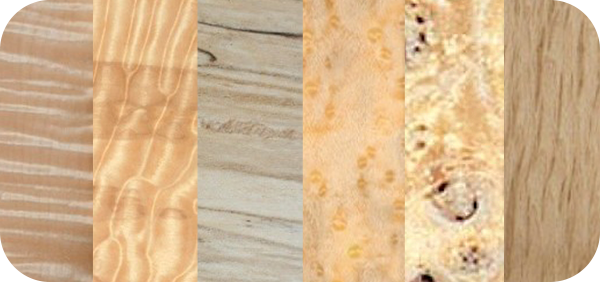
Wood Figures: Beyond Aesthetics
Read more
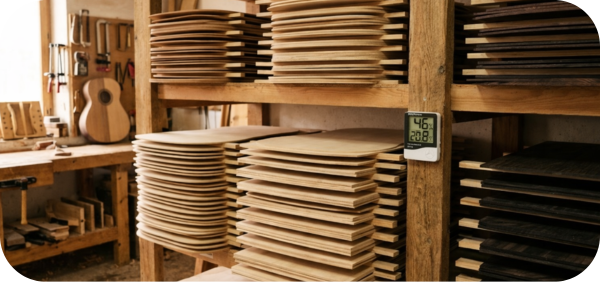
Practical guide to drying and storing tonal wood
Read more
Learn how to properly dry and store your lutherie wood. Essential tools, drying methods, common mistakes and a...

Seven Tips for Buying Wood for Musical Instruments Online
Read more
Learn how to pick tonewood for musical instruments online with confidence and a pro mindset. Practical tips on cuts,...
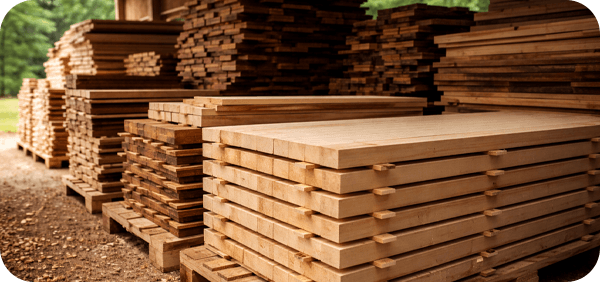
Qué significa que una madera esté bien secada (y por qué importa de verdad)
Read more
Secar madera no es esperar.Es controlar cómo pierde su humedad para que sea estable, predecible y segura de...
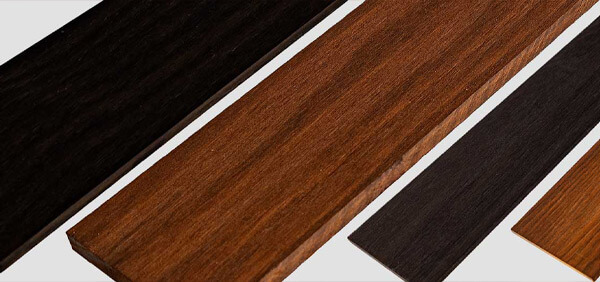
Brankowood: a sustainable alternative to ebony
Read more
Modern luthery faces a new challenge: maintaining excellence without relying on increasingly scarce tropical species....
Popular posts
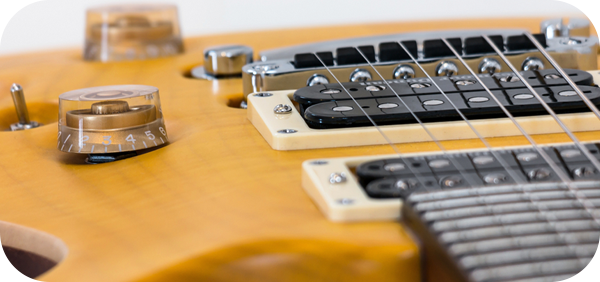
How to choose the right pickup for your guitar?
In the world of musical instruments, the electric guitar is one of the most recent compared to classical instruments....
Read more
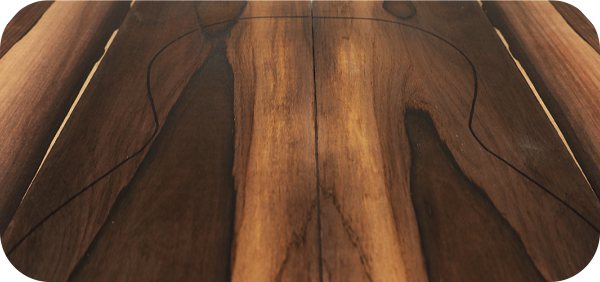
Brazilian Rosewood, The Most Desired Wood | Maderas Barber
Brazilian Rosewood is one of the most desired woods for musical instruments, and has an almost mythical status in the...
Read more
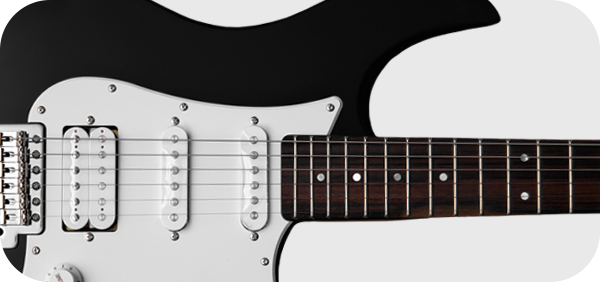
How to choose the right string gauge based on your guitar's scale and tuning
Choosing the right string gauge is no small decision. For many musicians and luthiers, finding the ideal balance...
Read more
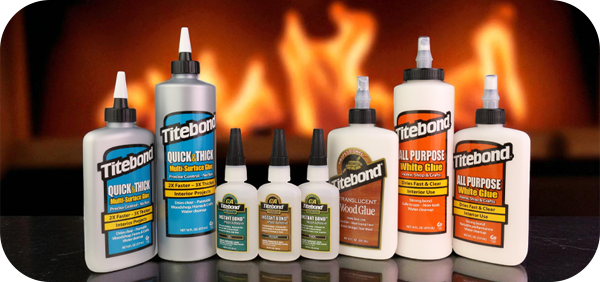
Titebond, the glue par excellence
Do you know the possibilities of Titebond wood glue? Visit our article and learn about the different varieties of the...
Read more
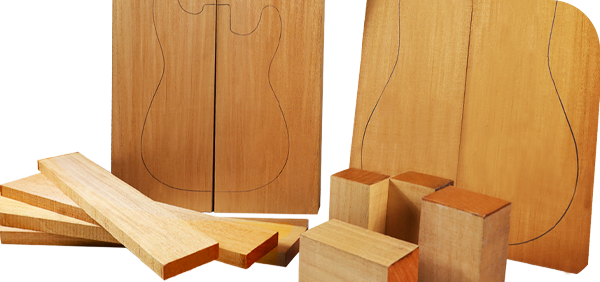
Fijian mahogany: The sustainable and high quality wood that is revolutionizing the music industry
Fijian mahogany is a durable wood, with a reddish color that varies from light to dark red. This wood is highly...
Read more
Blog tags
Photo gallery
-

Sample gallery



Latest comments