
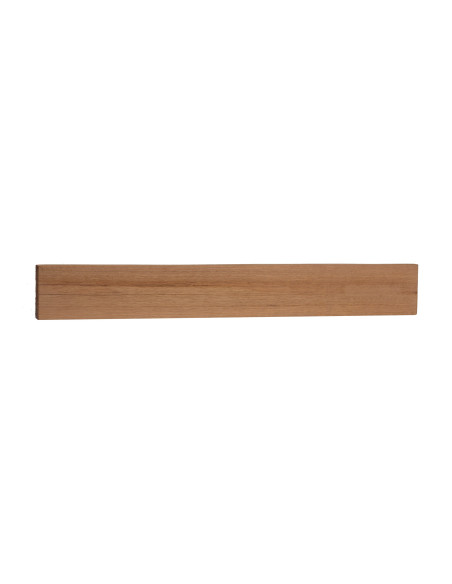
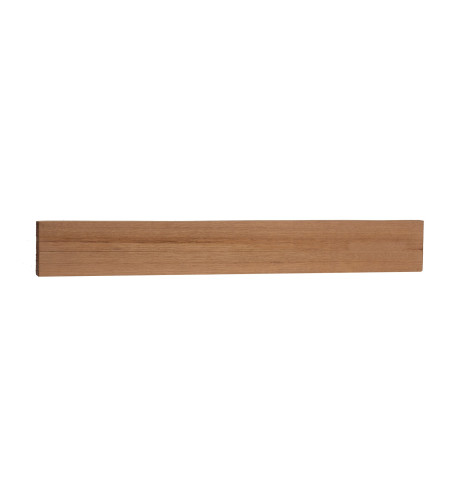
Overview A Honduras Cedar Classical Guitar Neck 22mm:
Along with mahogany, cedar necks are still the first choice of the vast majority of guitar builders. The combination of its high resistance and low weight make cedar an ideal wood for the fundamental function expected from a neck: to support the tension exerted by the strings.
All the great guitar makers have used cedar in the necks of their guitars. The list would be endless if we had to mention them one by one. This universal use speaks volumes about the suitability of this wood for use in guitar necks. Its affordable price also makes it an affordable wood that anyone can use. From the beginner to the established builder, you can be sure to find a quality piece without incurring a great expense. Another reason for its popularity.
Honduran cedar is a soft wood with orange-brown tones, golden glints and a characteristic, pleasant smell. It has a very open pore (a filler is a must) and can be worked fantastically well. Although its availability has declined in recent decades, initiatives such as the FSC certification ensure a respectful and sustainable supply in the future.
You can choose from three grades in our cedar necks. In the A grade you will find necks with various defects that make them unsuitable for the higher grades: pinholes, discolorations, twisted grain, etc. These necks are most often used to build heels. The reason is that the multi-piece heels are much more stable than the one-piece ones.
Features:
Dimensions: 650x85x22 mm
Botanical Name: Cedrela odorata
Origin: Brazil
Density: 450-600 Kg/m3
Requires CITES Certificate for export out of the European Union
769
Data sheet
Instrument: Classical / Flamenco Guitar
Wood: Honduras Cedar
Quality: A
Part of the Instrument: Neck
Specific References
UPC: 12345678
Reviews
Grade 
Sergio G 08/22/2024
sin defectos
sin defectos aparentes.
Grade 
Sergio G 05/25/2024
Me encanta el cedro
Están muy bien sin defectos aparentes
Grade 
Noé G 03/27/2024
De mis maderas favoritas
Me encanta trabajar con cedro, tanto por su suavidad como por su olor. Va muy bien para mangos tanto de guitarra clásica como eléctrica al ser una madera muy ligera.